A Chicago family
LaVerne Pyzyna, whose legal name was Veronica Patricia Pyzyna, was born in Chicago on September 22, 1921, and raised there, a daughter of Adam Pyzyna, who was born in Poland on March 15, 1888, and Maryanna Tarczyńska Pyzyna (a name spelled a different way in nearly every family record). She was the sixth of their ten children: Regina, John, Phyllis, Adam, Henry, LaVerne, Ann, Mitchell, Marian and Teresa. John died as a toddler and Ann as an infant; the other eight grew up together. Her father died in Chicago on May 1, 1938, when LaVerne was sixteen. Until the Second World War, she worked in the family’s store.
Adam and Maryanna had married in Chicago on February 4, 1912, at St. Hedwig’s Church, the great Polish parish on the Northwest Side. Their Cook County marriage license gives Adam’s age as 24 and Maryanna’s as 18; the priest who married them was the rector, Rev. J. B. Obyrtacz. By 1930 the family owned its own home on Lyndale Street, where the census taker found Adam, then a mechanic in the electrical industry, Maryanna and eight children, the youngest only a few months old.
“From Poland” is how the family has always put it, but when Adam and Maryanna were born there was no Polish state. Poland had been divided among Russia, Prussia and Austria in the partitions of 1772, 1793 and 1795, and it did not regain its independence until November 11, 1918, with its eastern borders settled only by the Treaty of Riga in March 1921. The family’s roots near Kraśnik, south of Lublin, lay in the Russian partition: in the 1880s Kraśnik was in the Lublin Governorate of the Russian Empire. Adam and Maryanna were born, and emigrated to America, as subjects of the Russian tsar.
Northrop
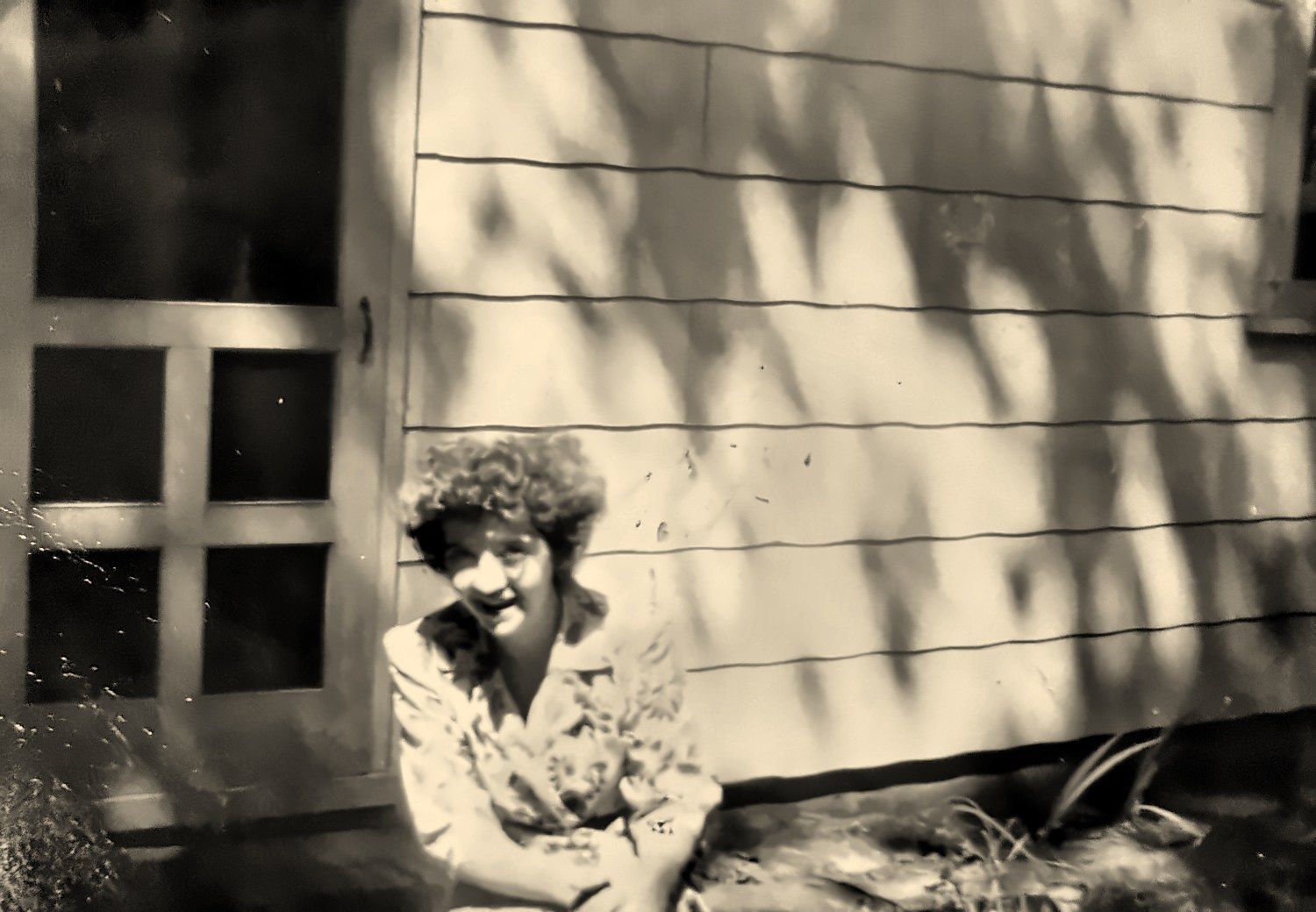
After her brother Adam’s death, LaVerne left Chicago for Los Angeles with Adam’s widow, Elaine, and went to work at Northrop, where she assembled gauges for submarines. Her memorial brick at the National Museum of the Pacific War reads simply “LaVerne Pyzyna, Northrop WWII, Chicago IL.”
Meeting Howard
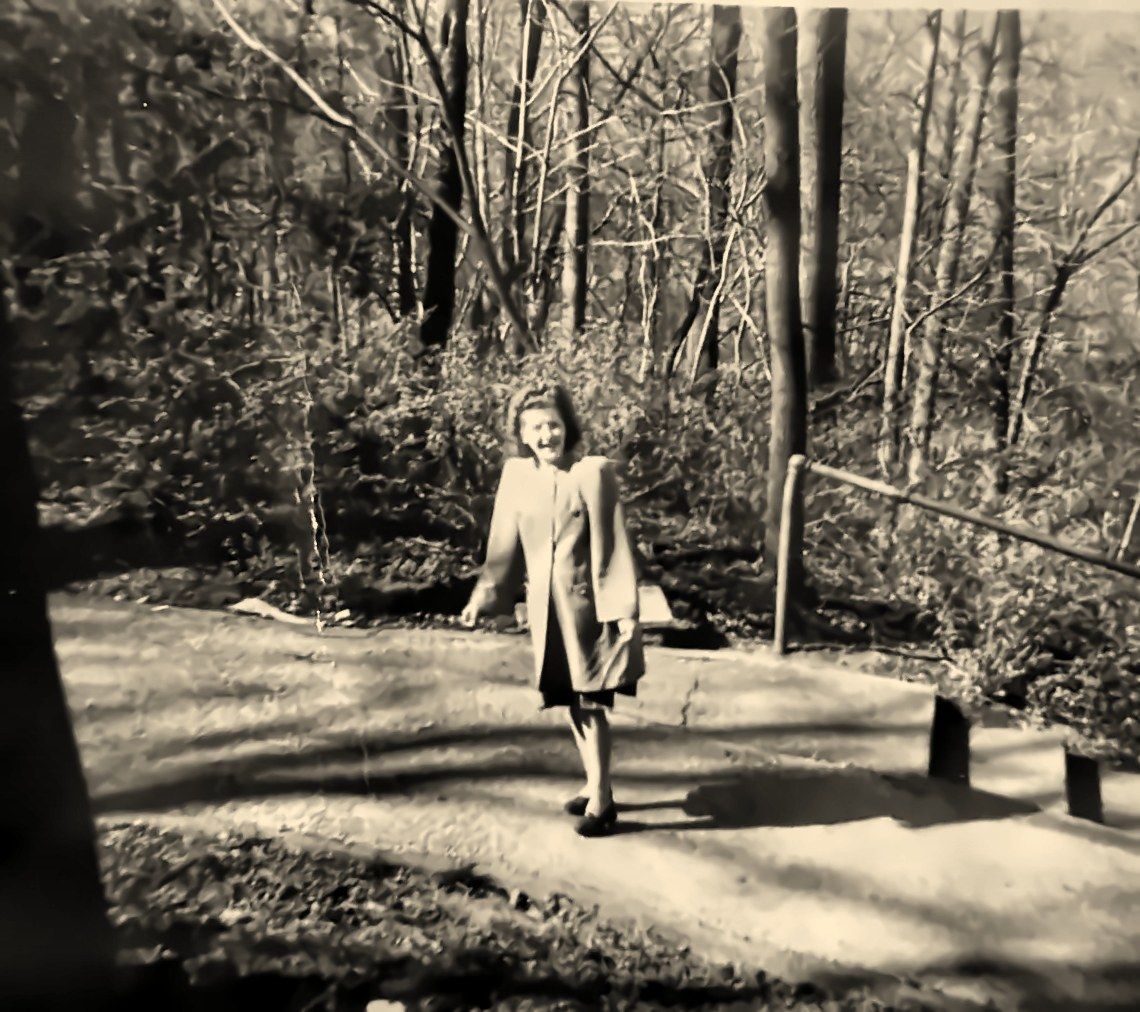
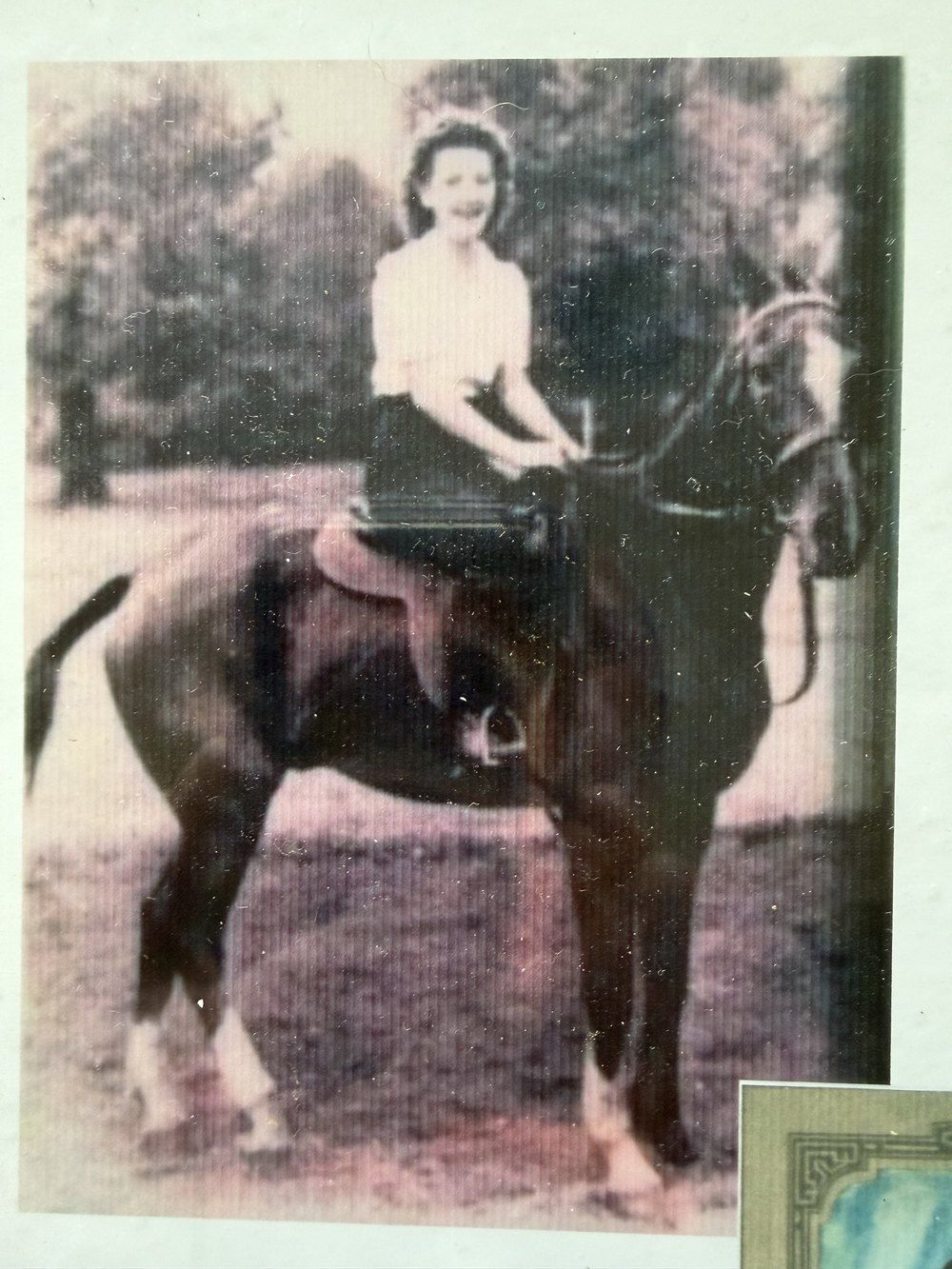
On June 10, 1945, ten days after the destroyer USS Fletcher reached Los Angeles, LaVerne went on a blind date at the Earl Carroll Theatre in Hollywood with one of her crew, Fire Controlman Howard Knipp. They were married one month later, on July 10, 1945. Their story, and the photograph taken that first evening, are told on Howard’s page.
Annapolis
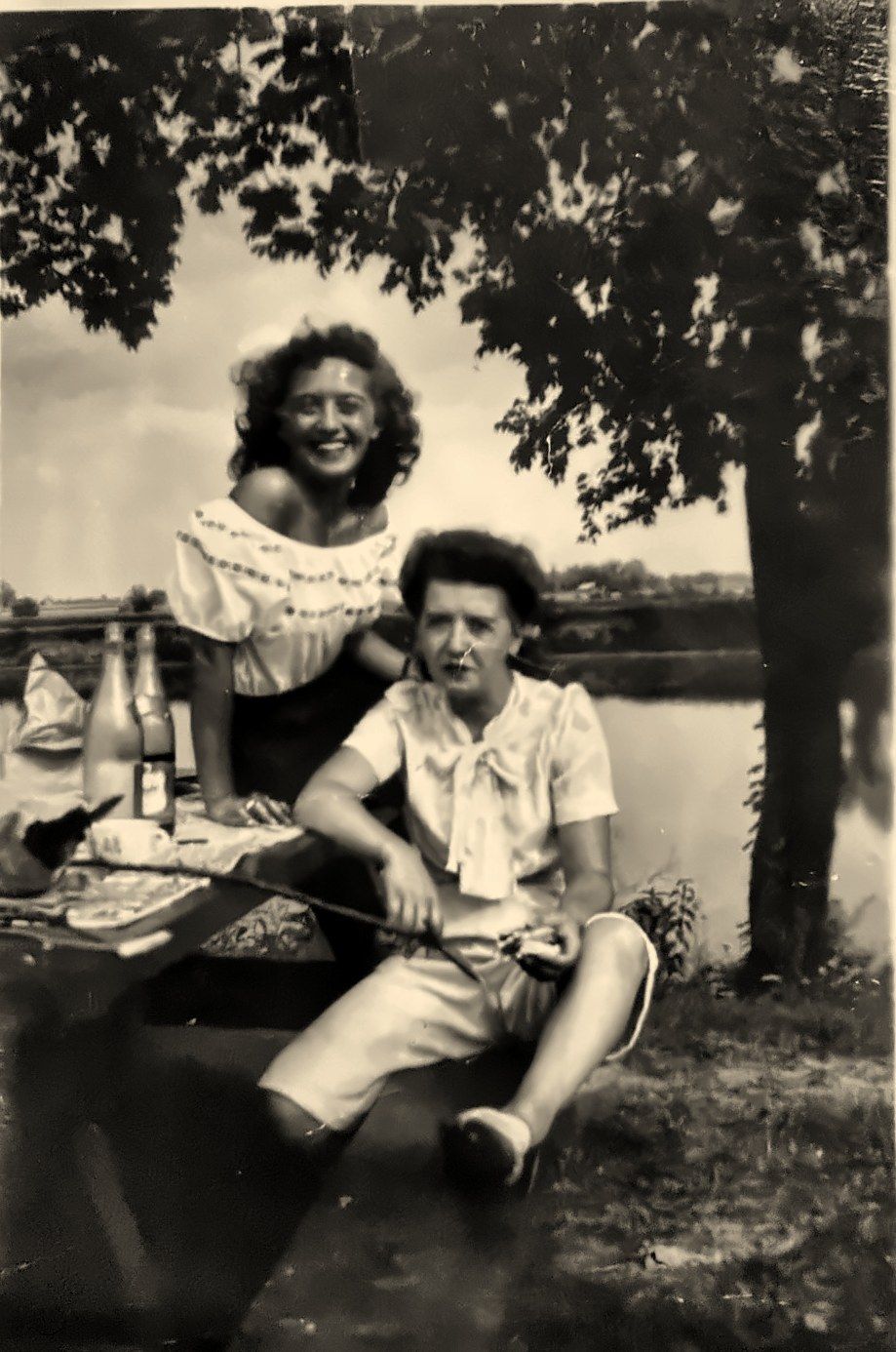
After the wedding Howard was posted to the U.S. Naval Academy at Annapolis, Maryland, to teach midshipmen the fire control equipment he had run aboard the Fletcher, and he was discharged there on May 2, 1947.
Later years
LaVerne died on July 4, 1983, in Napoleon, Ohio, Howard’s hometown.
Three brothers in uniform
When the war came, all three of LaVerne’s brothers served. Adam became a B-17 bombardier with the 2nd Bomb Group in Italy. He was shot down over Yugoslavia on March 18, 1944, evaded capture for 45 days with the help of the Partisans, and came home, only to be killed in a B-26 accident at Kissimmee, Florida, on March 5, 1945. Henry, known as Hank, served in the U.S. Navy. Mitchell began as an Army Air Forces aviation cadet and finished the war as an Army staff sergeant in Europe.
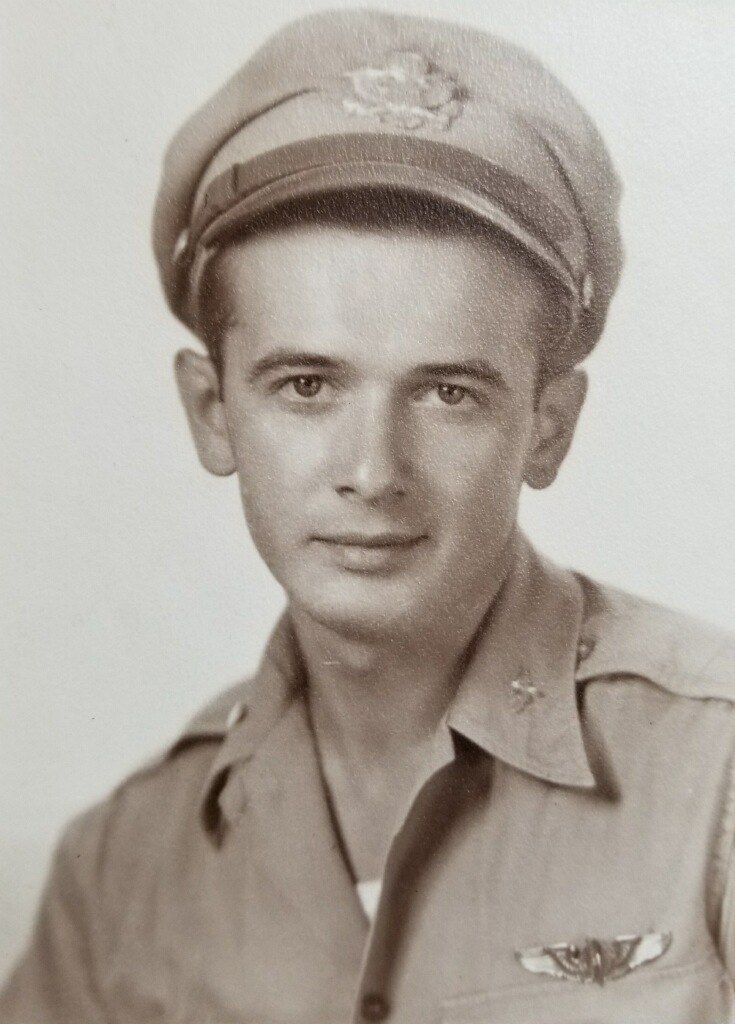
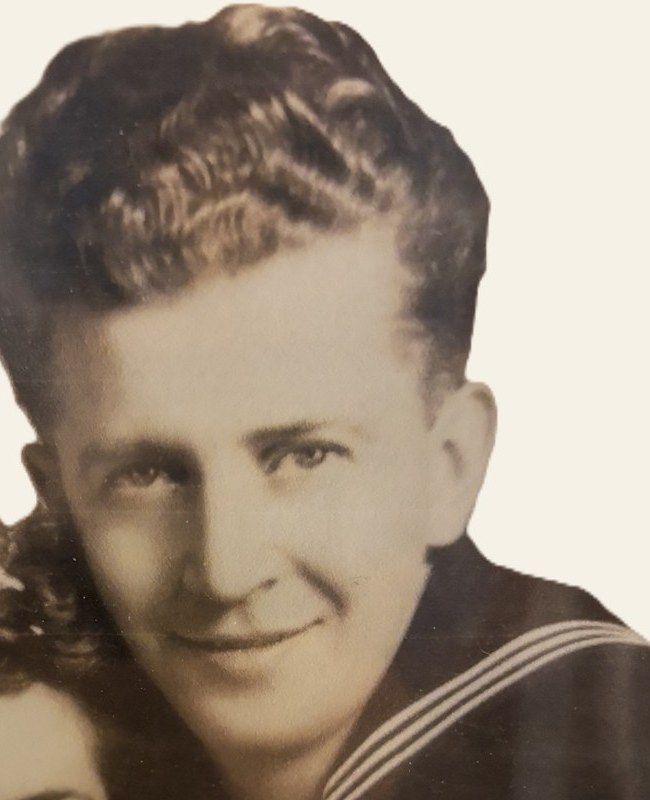
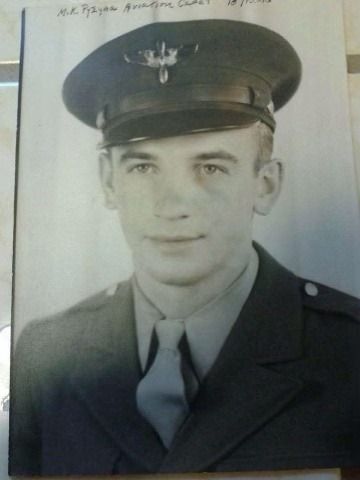
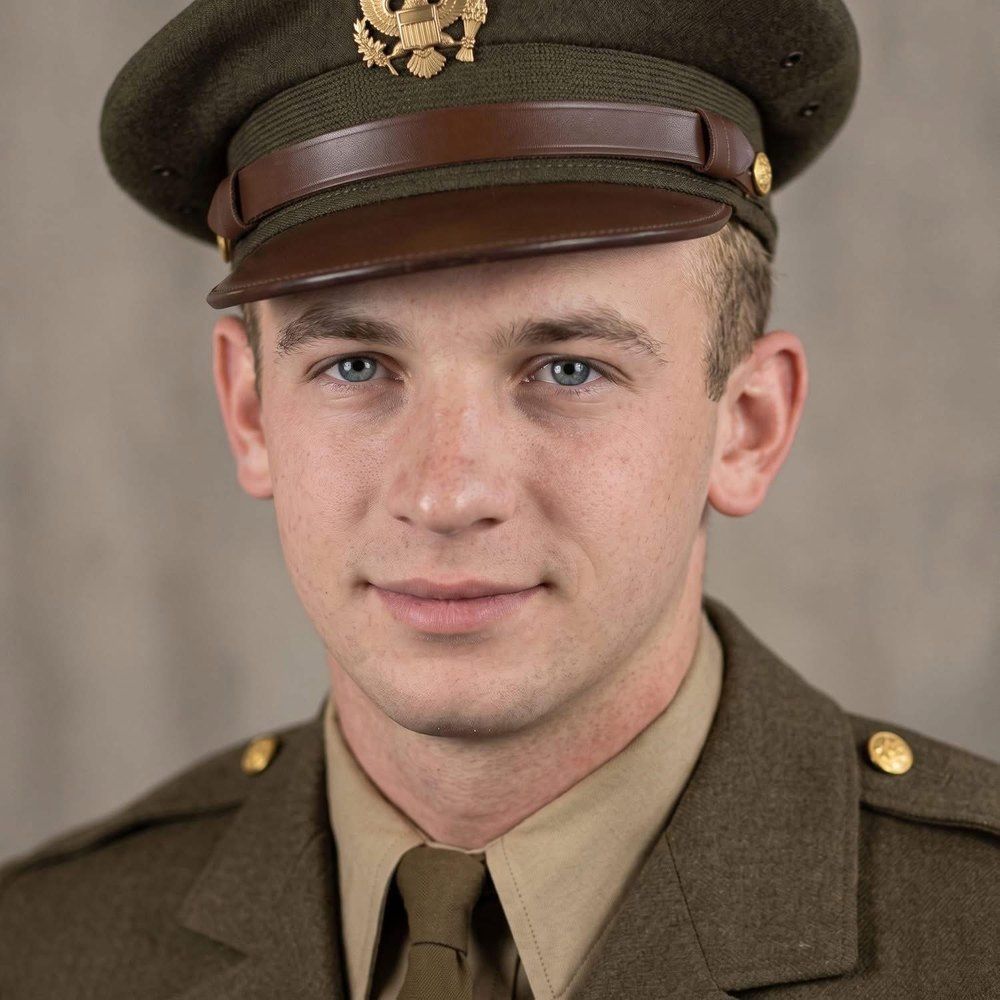
The three brothers in uniform. Hank’s portrait is cropped from his photograph with Bernice, shown below. Mitch’s photo is labeled “M.K. Pyzyna, Aviation Cadet, 18 yrs”; he began in the Army Air Forces as an aviation cadet before being transferred to the Army ground forces. Courtesy of the Pyzyna family.
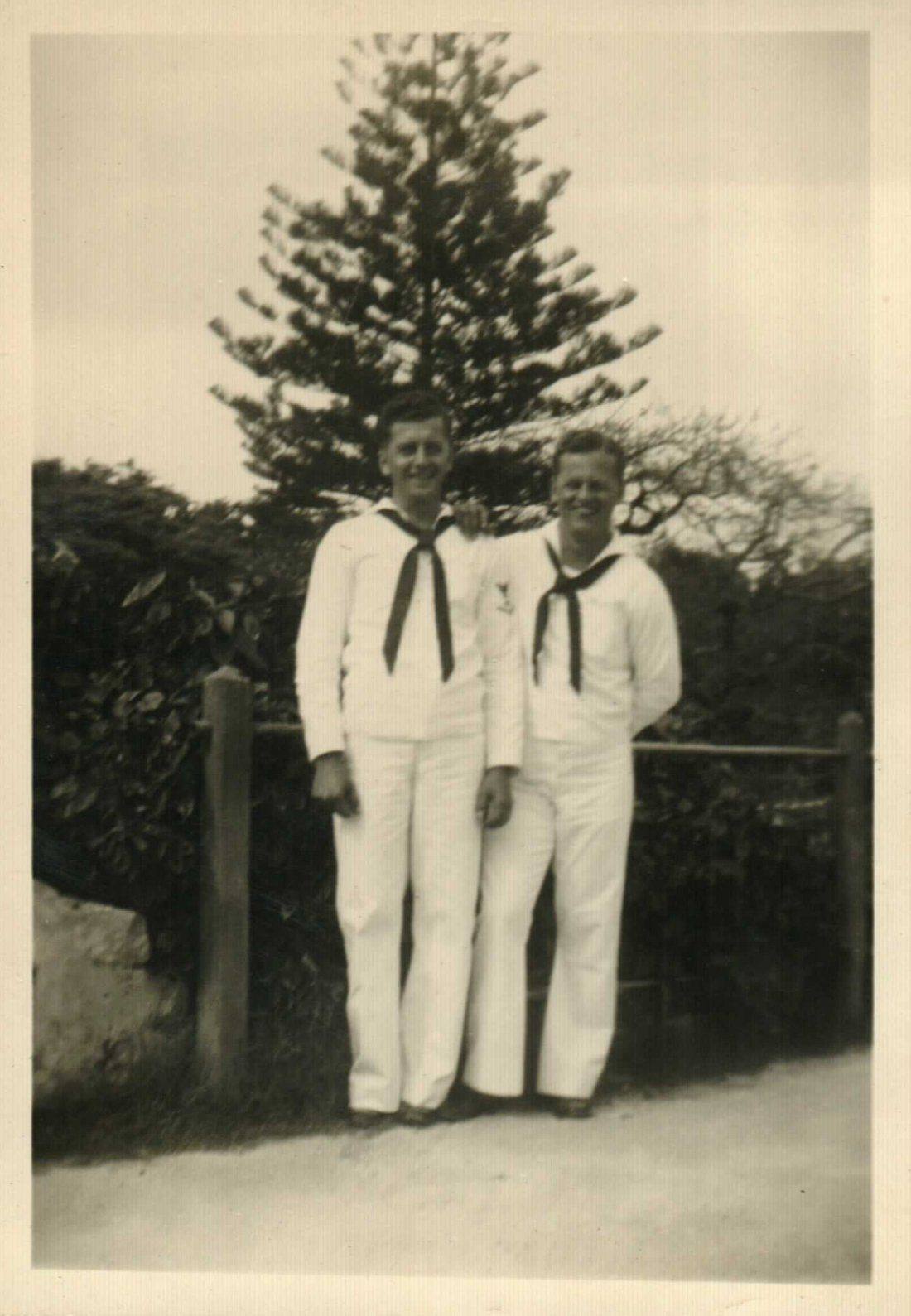
Hank: radar and U-505
Henry L. Pyzyna was born in Chicago on August 29, 1919, and raised, as the family put it, a good Catholic Polish boy. Before the war he was already working as a butcher. He entered the U.S. Navy in Chicago on April 8, 1942, and he told Dennis that more than once he had to climb high above the deck, up the radar mast, in bad weather. Like many veterans, he never said much more about his service than that.
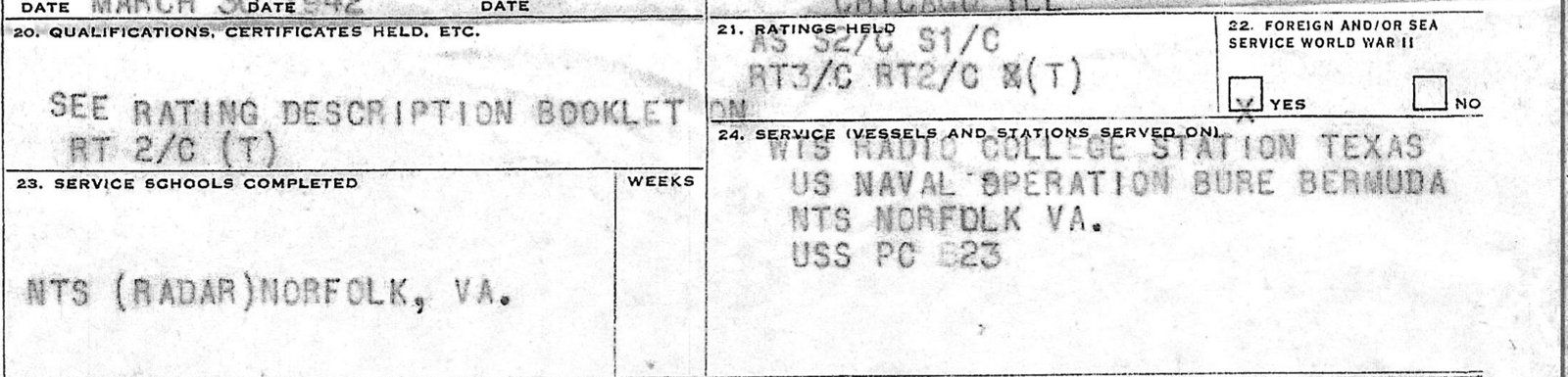
His Navy discharge, kept by Dennis, fills in the rest. Hank rose from apprentice seaman through seaman second and first class to radio technician third class and then second class, the Navy’s wartime rating for the men who kept the radar and radio equipment working. The stations he served at were:
- Naval Training School (Radio), College Station, Texas, on the campus of Texas A&M, just as his sister Marian remembered. (More than seventy years later, two of Larry’s children would graduate from Texas A&M too.)
- U.S. Naval Operating Base, Bermuda.
- Naval Training School (Radar), Norfolk, Virginia, the school listed as completed on his discharge.
- USS PC-823, a 173-foot submarine chaser commissioned in July 1944 that served in the western Atlantic, partly on air-sea rescue duty. (The first digit of her number is smudged on the discharge, but PC-823 is the one that fits: the similar PC-623 served in the Pacific.)
PC-823 had a remarkable life after Hank. In 1946 she became a training ship for the U.S. Merchant Marine Academy, and in 1949 she was sold to South Korea and became ROKS Baekdusan, one of the first warships of the new Republic of Korea Navy. In June 1950, in the first days of the Korean War, she sank a North Korean ship in the Battle of the Korea Strait. Her mast, perhaps the very one Hank climbed, is preserved today at the Korea Naval Academy in Jinhae.
Hank’s proudest story was U-505. On June 4, 1944, two days before D-Day, an American hunter-killer group caught the German submarine off the coast of West Africa, forced her to the surface with depth charges, and boarded her before her crew could finish scuttling her. It was the first enemy warship the U.S. Navy had captured at sea since 1815, 129 years before. The boarders closed the flooding valves and carried off her codebooks, her radio and cipher equipment, and an Enigma machine with its current rotors, a prize so secret that the capture was kept from the Germans for the rest of the war. The family story is that Hank was one of the men sent aboard to recover that radio and encryption equipment. U-505 is now on display at the Museum of Science and Industry in Chicago, a few miles from where Hank grew up.
The Navy’s accounts name the ships of the group that took U-505: the escort carrier USS Guadalcanal and five destroyer escorts, Pillsbury, Pope, Flaherty, Chatelain and Jenks. Hank was not with them at sea; the family had long remembered him on the carrier USS Ranger, but neither the Ranger nor any of those ships appears on his discharge. Bermuda does. After a tow of some 1,700 miles, U-505 was brought into Port Royal Bay, Bermuda, on June 19, 1944, camouflaged and kept under heavy guard, and she stayed hidden there for the rest of the war so that Germany would believe she had sunk and not change its codes. Hank’s time at the Naval Operating Base there makes it very likely that this is where he went aboard her.
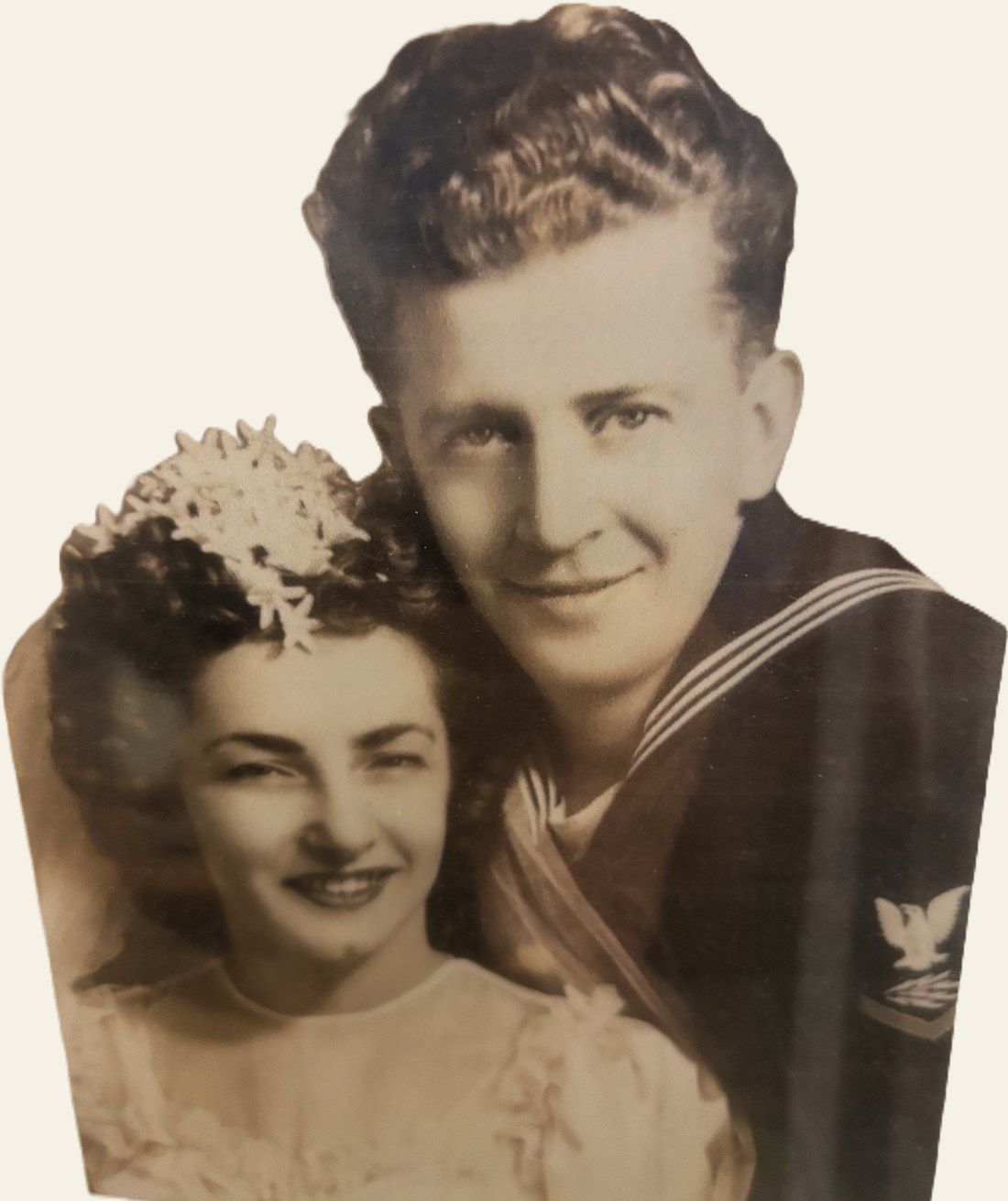
Hank was released from the Navy on October 1, 1945. That November he married his sweetheart, Bernice Zelek, and together they raised five children. Late in 1945 Hank opened a small store on Augusta Boulevard in Chicago, while he and Bernice lived with his parents. In 1947 they bought a store and building at Shakespeare and Hamlin Avenues, and that was the start of Hank’s Better Meats. It was the era when supermarkets such as Jewel, National Tea and A&P were taking their toll on small mom-and-pop stores, and in time Hank sold the business and went to work for Seigl’s, a large meat company that supplied restaurants and the retail trade. He died on June 5, 2001, after complications from surgery.
Hank always wanted to go back to Bermuda. Years later, when Dennis was working for Continental Airlines, he was able to send his mom and dad on a trip there.
Mitch: from aviation cadet to the camps
Mitchell Kenneth Pyzyna, the youngest of the brothers, was born in Chicago on October 22, 1924. His Polish name, Mieczysław, followed him all his life; it is recorded alongside Mitchell on his death certificate. He was only thirteen when his father died. When he turned eighteen in the fall of 1942 he went into the Army Air Forces as an aviation cadet, the same road his brother Adam had taken to his bombardier’s wings; his portrait from that time is labeled “Aviation Cadet, 18 yrs.”
He did not finish flight training. Mitch told Larry that he started in the Air Corps and was then transferred to the regular Army. That was the fate of thousands of cadets in early 1944, when the Air Forces had more men in training than it needed and the ground forces needed more men for the coming invasion of Europe. By the time he was nineteen, before his twentieth birthday in October 1944, he was a staff sergeant, photographed beside a farm building that looks European.
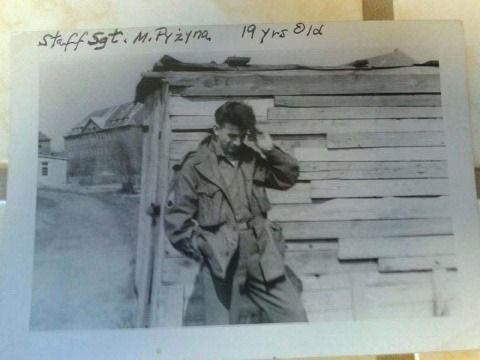
Mitch said that he helped liberate the concentration camps. His daughter Michelle remembers that he cared for the prisoners as “a nurse.” The Army Nurse Corps was all women, so a man doing that work would have been an enlisted medic or medical technician, and in the spring of 1945 the Army sent its evacuation hospitals into the liberated camps to care for the survivors. Which unit Mitch served with, and which camp he saw, we do not yet know. His service record was most likely among the millions of Army files destroyed in the 1973 fire at the National Personnel Records Center in St. Louis, and we have asked the Center to reconstruct what it can.
Mitch also remembered a day near the end of the war when, being so close, he took a jeep and drove to the border to visit his mother’s relatives in Poland. The border was held by Russian soldiers. He told them where he wanted to go and why; they would not let him through, and told the young American to turn around.
After the war Mitch went to Northwestern University, where he appears in the 1950 yearbook. He became a chemist, earned a master’s degree, and spent 32 years as a teacher.
The butcher, the baker and the candlestick maker
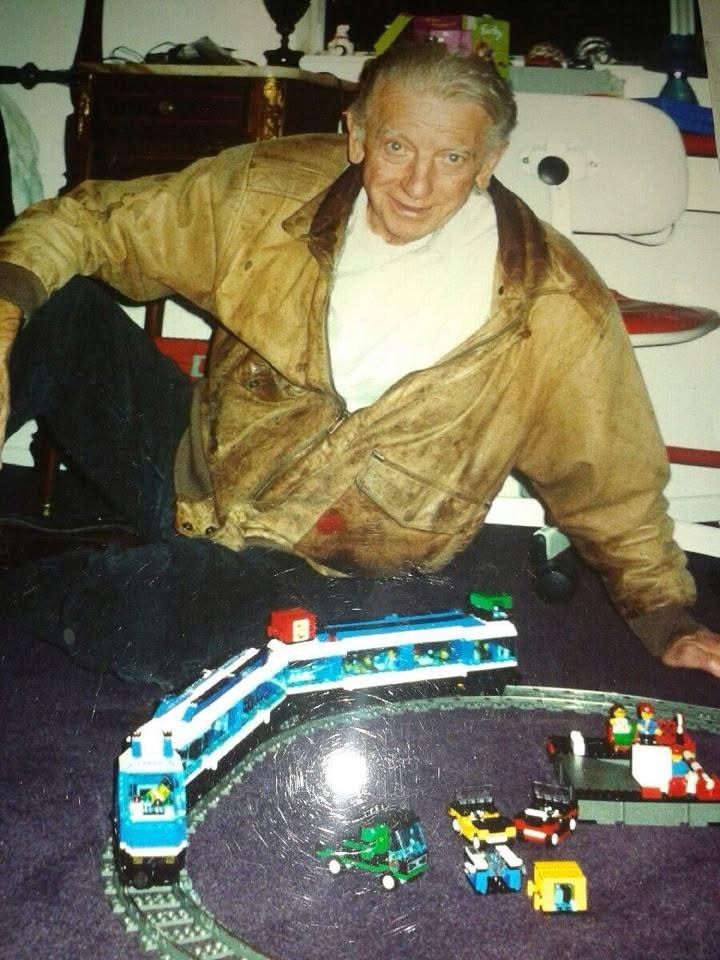
Larry has always thought of his uncles as the butcher, the baker and the candlestick maker. After the war Hank opened his own butcher shop in Chicago. LaVerne’s youngest sister, Teresa, known as Terry, married George Weiss, who later in life ran his own bakery in Chicago. And Mitchell, who served in the Army in Europe, became a chemist and in the 1950s or 1960s developed Aura Wax, a wax for protecting the finish on cars. LaVerne remembered the basement of the family home in Chicago full of wax-making and canning equipment.
Mitch later bought a Citroën and drove it, with his wife, Lorissa, née Mishalow, from Chicago to California, where he settled for good and raised a family. Lorissa, the daughter of Juri Mishalow and Anna Bryzan, was born in Kobeliaky, in the Poltava region of central Ukraine, on August 10, 1939, three weeks before the war began, and it reached her as a small child. She told Larry that she remembered lying hidden under a bridge, listening to the screaming of Stuka dive bombers as they came down, released their bombs, and strafed the people on the ground.
Mitch and Lorissa made their home on Turner Court in San Jose for some forty years, and raised their family there, including their daughters Michelle and Anna. In later years Lorissa made dolls for collectors. She died at home on October 6, 1998, at 59. Mitch died at home on May 8, 2012, at 87.
A Tarczyński in Dachau
LaVerne’s mother, Maryanna Tarczyńska, was born in Kraśnik, south of Lublin, in 1893 and came to America alone as a young girl. She told her children that the relatives who stayed behind in Poland were taken to the camps, and that she never heard from them again.
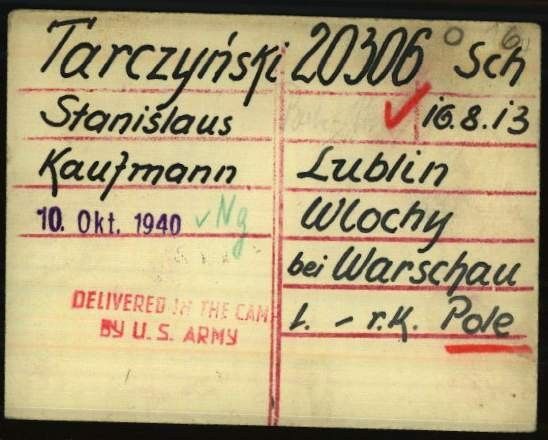
One Tarczyński did come through. Stanisław Tarczyński (Stanislaus in the German records) was born in Lublin on August 16, 1913. His Dachau card describes him as a single, Roman Catholic Pole, a merchant (Kaufmann) living in Włochy, just outside Warsaw. He was held first at the Neuengamme concentration camp near Hamburg and reached Dachau on October 10, 1940, as prisoner number 20306, classed “Sch” (Schutzhäftling), a “protective custody” prisoner, the category the SS used for political prisoners. On June 5, 1942, he was sent to the Dachau subcamp at Bad Tölz, in the Alpine foothills south of Munich.
The Bad Tölz prisoners were held in the basement of the SS-Junkerschule, the SS officer school, and most of them were Poles. They renovated barracks, built roads and stables, cleared forest and built a shooting range about five miles out of town, worked in the school’s garden, kitchen and Angora rabbit farm, and from 1942 unloaded potatoes and coal for the town. The archive cannot say which of these jobs Stanisław did. Asked how he could have survived nearly five years, the archivist answered that it was rare but did happen, and was most often a matter of luck.
His card carries the U.S. Army’s stamp, “Delivered in the camp by U.S. Army,” and in his own later letters he gave his time in Dachau as October 10, 1940, to April 29, 1945, the day American troops liberated the camp. The archive believes he had been returned to the main camp from Bad Tölz before then. The prisoners still at Bad Tölz were driven south on a death march on May 1 and freed by American troops a few days later.
After the war Stanisław lived in Kalisz, in western Poland. In 1982, in his late sixties, he came across a newsletter of the Dachau survivors’ association in Munich and wrote to them: “I was in Dachau over four years, so I am an ‘old’ prisoner.” He wrote again over the next seven years, asking after a comrade from Block 18 and noting that in Kalisz “there are only a few of us, and the number keeps shrinking.” In 1989, signing himself “Dachau prisoner no. 20306,” he joined the association.
Whether Stanisław was Maryanna’s nephew, perhaps the son of one of her brothers, is not yet known. We are looking for a record that names his parents.
This chapter has just begun. We are gathering LaVerne’s story: the family store in Chicago, her brother Mitchell’s service, Hank’s Navy record, her work at Northrop, and the years after the war. If you knew LaVerne or the Pyzyna family, we would love to hear from you.
Sources
- Family photographs and the notes written on their backs.
- Family recollections, and the Pyzyna family tree compiled by Dennis Pyzyna and cousins, 2026.
- Memorial brick, National Museum of the Pacific War, Fredericksburg, Texas.
- Marriage license and certificate of Adam Pyzyna and Maryanna Tarczyńska, Cook County, Illinois, February 1912; U.S. Census, 1930, Chicago, Ward 38.
- Mitchell Pyzyna: wartime photographs with their handwritten labels; his own recollections to Larry; recollections of his daughter Michelle, 2026; Santa Clara County death certificates of Mitchell and Lorissa Pyzyna; FamilySearch family tree; Northwestern University yearbook, 1950.
- Hank’s biography as kept by the Pyzyna family, recollections of Dennis Pyzyna, his son, 2025–2026, and of his sister Marian.
- Naval History and Heritage Command, “Defeating the Sharks: The Capture of U-505.”
- Report of Task Group 22.3 (USS Guadalcanal) on the capture of U-505, transcribed at uboatarchive.net.
- Notice of Separation from the U.S. Naval Service (NAVPERS-553), Henry Leopold Pyzyna, October 1, 1945, courtesy of Dennis Pyzyna.
- “USS PC-823,” Wikipedia; and NavSource Naval History, submarine chaser photo archive.
- “US Vet Recalls U-boat Hidden in Bermuda,” Bernews, January 2011.
- KZ-Gedenkstätte Dachau (Dachau Concentration Camp Memorial Site) archive: prisoner data summary for Stanislaus Tarczynski and letters to Larry Knipp, February 12, 2025, and October 19, 2026.
- Letters of Stanislaus Tarczynski, Kalisz, 1982–1989, and replies of the Lagergemeinschaft Dachau, Munich, in the Lagergemeinschaft Dachau files 5641, 5642, 5654 and 5664, KZ-Gedenkstätte Dachau archive.
- Arolsen Archives, registry card of Stanislaus Tarczynski, document 10771583.
- Evelyn Zegenhagen, “Bad Tölz,” in Geoffrey P. Megargee, ed., The United States Holocaust Memorial Museum Encyclopedia of Camps and Ghettos, 1933–1945, vol. I, part A (Indiana University Press, 2009), pp. 456–457.